OSHA 300 Log Errors That Trigger Audits in 2026
Common recordkeeping mistakes increase your audit risk—here's what OSHA inspectors look for and how to fix it before they arrive.
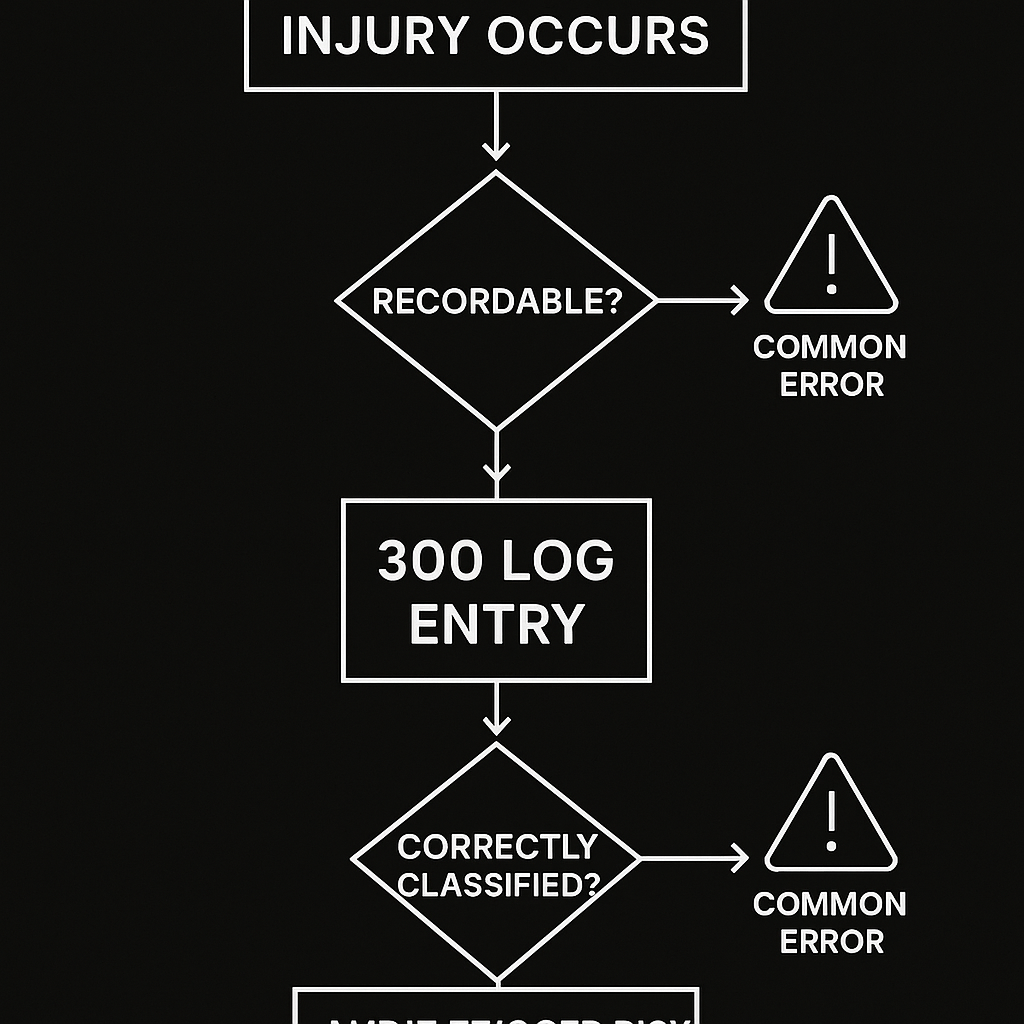
OSHA 300 Log Errors That Trigger Audits in 2026
The OSHA 300 log is more than a compliance checkbox—it's often the first document inspectors scrutinize during an audit. A single recordkeeping error can extend an inspection, increase penalties, and expose patterns of non-compliance that result in follow-up enforcement actions.
As we move through 2026, OSHA has intensified focus on accurate injury and illness recordkeeping, particularly in high-hazard industries. Understanding the most common errors and how they escalate audit risk is essential for every safety leader.
The Most Common OSHA 300 Log Errors
1. Misclassifying Recordable Injuries
The line between first aid and recordable treatment is frequently misunderstood. Inspectors find that employers often fail to record cases involving prescription medications, physical therapy, or diagnostic procedures beyond first aid. The recordability determination must be made at the time of treatment, not based on the eventual outcome.
2. Missing or Incomplete Entries
Blank fields on the OSHA 300 log raise immediate red flags. Every recordable case requires complete information including employee name, job title, date of injury, case classification, and days away from work or job transfer. Incomplete entries suggest inadequate investigation processes or deliberate omission.
3. Incorrect Privacy Case Handling
Certain injuries—including those involving sexual assault, mental illness, HIV, hepatitis, or tuberculosis—require privacy case procedures. These cases must still be recorded, but with "privacy case" noted instead of the employee's name. Failure to record these cases entirely is a common violation.
4. Days Away/Restricted/Transfer Counting Errors
Miscounting days away from work, restricted duty days, or job transfer days is one of the most frequent errors. Many employers stop counting at calendar year-end or cap days incorrectly. OSHA requires continued counting into subsequent years until the employee returns to full duty, up to a 180-day cap.
5. Failure to Update Logs for Case Outcome Changes
When an injury initially treated with first aid later requires medical treatment, or when an employee initially remains at work later requires days away, the log must be updated. Many employers fail to revisit and reclassify cases as circumstances change.
Why These Errors Increase Audit Risk
OSHA uses injury and illness data to target inspections through the Site-Specific Targeting (SST) program. Establishments with high Days Away, Restricted, or Transferred (DART) rates or Total Recordable Injury Rates (TRIR) receive priority for inspection.
But underreporting creates a different problem: when inspectors arrive for any reason and discover significant recordkeeping violations, they often expand the scope of their inspection. What begins as a complaint investigation can escalate into a comprehensive programmed inspection covering multiple compliance areas.
Recordkeeping violations also carry substantial penalties. In 2026, penalties for recordkeeping violations can reach $16,131 per violation, and each missing or inaccurate entry may constitute a separate violation.
How to Reduce Your Audit Risk
- Conduct quarterly internal audits of your OSHA 300 log to identify and correct errors before inspectors arrive
- Train supervisors and HR personnel on recordability determinations—they're often the first point of contact when injuries occur
- Establish clear reporting procedures so employees understand the importance of reporting all work-related injuries and illnesses
- Document your recordability analysis for borderline cases to demonstrate good faith compliance efforts
- Review and update logs when case outcomes change, not just at year-end
- Verify your 300A summary is accurate, certified by a company executive, and posted from February 1 through April 30
The Bottom Line
OSHA 300 log accuracy isn't just about avoiding penalties—it's about having reliable data to identify trends, prevent future injuries, and demonstrate your commitment to worker safety. Inspectors recognize the difference between good faith errors and systematic underreporting, and your recordkeeping practices set the tone for the entire inspection.
In 2026's enforcement environment, proactive recordkeeping compliance is your best defense against expanded audits and escalating penalties. If you're uncertain about your current recordkeeping practices, now is the time for an independent assessment.
Need help ensuring your OSHA recordkeeping is audit-ready? Talk to EHS about our compliance assessment services.
AW
Aaron West
Founder, EHS, Inc. — 18+ years in EHS compliance and contractor safety
Aaron West has spent over 18 years helping contractors and businesses navigate OSHA compliance, ISNetworld® certification, and workplace safety management. He founded EHS, Inc. to make enterprise-level EHS accessible to companies of all sizes — serving contractors and businesses nationwide — without long-term contracts or enterprise overhead.
Ready to simplify your EHS compliance?
Our team handles the complexity so you can focus on running your business. No long-term contracts, no learning curve.
Talk to EHSRelated Articles
BBS vs. HOP: Where Behavior-Based Safety Breaks Down
When OSHA shows up during a refinery turnaround, they don't grade your program on paper — they grade what they find in the field.
MOC Process: What It Costs When Operations Shift Without It
Skipping Management of Change on a commercial construction site doesn't just create hazards — it creates five-figure OSHA citations and lost bid opportunities.
ISNetworld Grade Drop: New Contract, Outdated COI
Win a new utility contract and forget to update your certificate of insurance? Your ISNetworld grade already dropped before the first crew hit the field.
Medium & Enterprise
Safety Culture System
Framework to achieve zero incidents
Get Free System →
Small Businesses
50+ Safety Topics
Stop hitting paywalls
Get Free Topics →
All Companies
Audio Safety Topics
54 topics in English & Spanish
Get Free Audio →